
Beauty and care
Ubtan: What It Is and How to Cleanse With It
Ubtan is an Indian cleansing blend of legume or grain flour with herbs and spices. It is mixed with water, milk or yogurt and used to cleanse the skin gently instead of soap. What goes into ubtan, how to make it at home for your skin type, how to wash with it, how it differs from an enzyme powder and a scrub, and who it doesn't suit.
What is ubtan
Ubtan is a traditional Indian blend for washing the face and cleansing the body. Its base is flour: chickpea, rice, mung bean or other legume and grain flours. Herbs, spices and flowers are added to the flour — most often turmeric, sometimes sandalwood, rose or neem. The dry powder is kept in a jar and, before washing, mixed with water, milk, yogurt or rose water into a paste.
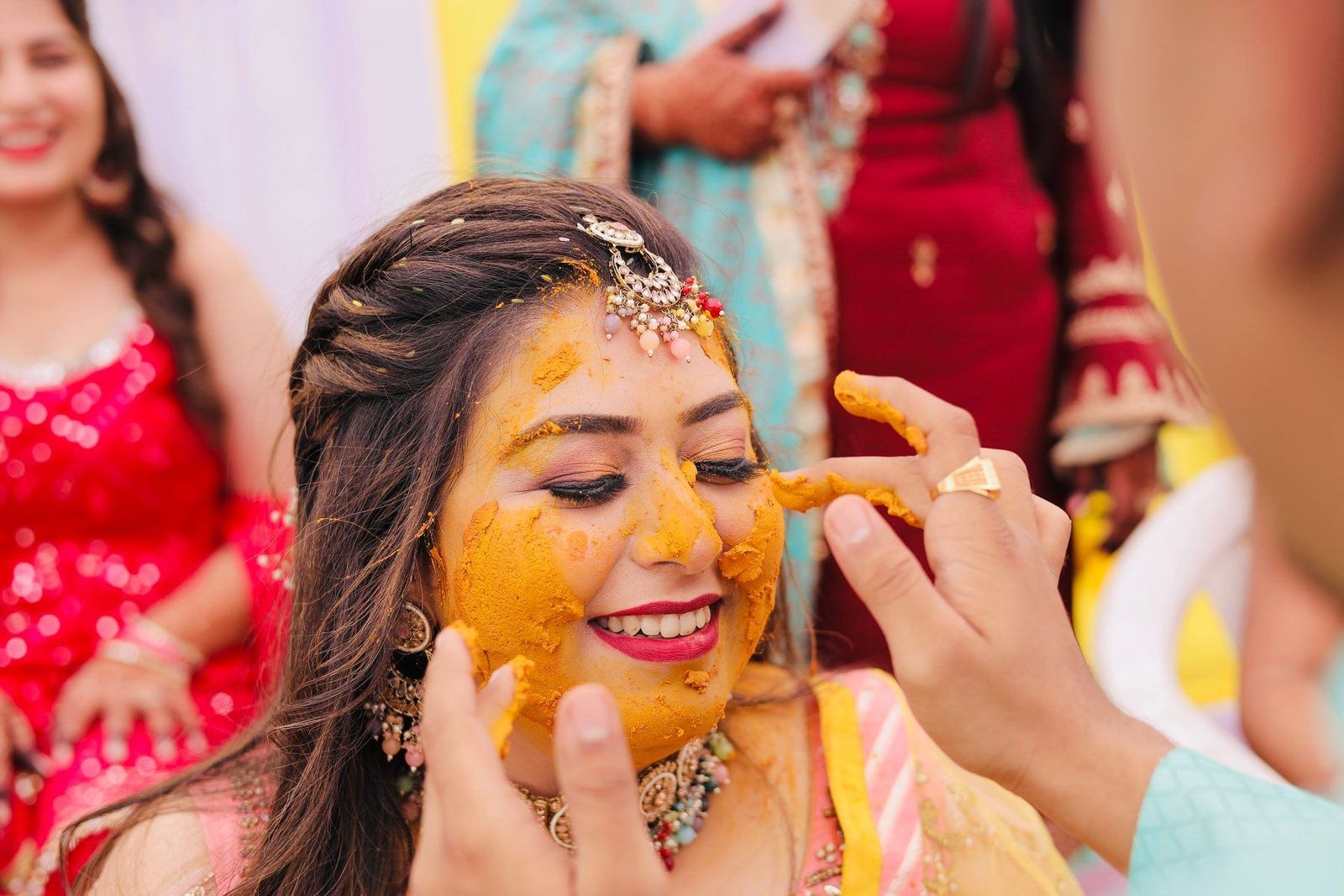
Ubtan is used instead of soap. The flour gently absorbs oil and lifts away dirt, while the herbs give the blend its scent and, according to tradition, special properties. In India it is a household staple: every family has its own recipe. The best-known use is the pre-wedding ceremony in which the bride and groom are rubbed with turmeric paste.
The word “ubtan” is colloquial, from Hindi and neighboring languages. It doesn’t appear in the classical ayurvedic texts. They speak of snana churna, “bathing powder”, and of the rules for choosing herbs, legumes and grains for it. The Indian company Krya, which has made such powders for many years, stresses that there is no single canonical ubtan recipe, and claims like “ubtan must contain turmeric and chickpea flour” are later ones, not classical.
Ubtan in ayurveda: after oil, not instead of it
In ayurveda, bathing powder is part of the morning routine, not a stand-alone mask. In the morning you do a massage with warm oil, abhyanga, and then wash the oil off: a powder of flour and herbs lifts it from the skin without drying it out. The whole daily routine is covered in Dinacharya.
This leads to a simple practical rule that is often overlooked. Ubtan on its own is good at removing oil from the skin. Applied to dry, un-oiled skin, especially in winter, it can leave the skin tight and flaky. That is why home recipes use so much milk, cream and oil: they soften the blend.
A related treatment is udvartana, massage with a dry or slightly moistened herbal powder. But that is a therapeutic treatment prescribed by a doctor, and the powder is coarser. It is covered in Udvartana.
What ubtan is made of
The base determines how strongly the blend cleanses. The additions bring scent, color and softness.
Base:
- Chickpea flour (besan). The most common base. It absorbs oil well, so it suits oily and normal skin best.
- Rice flour. Also noticeably degreasing; its particles are slightly larger, so the blend works as a gentle scrub.
- Oat flour. The gentlest base, suitable for dry and sensitive skin.
- Mung bean or lentil flour. Found in traditional recipes; its action is close to chickpea flour.
Additions:
- Turmeric. Ubtan’s signature spice. Only a pinch goes in: it stains skin and towels, and in large amounts it can irritate sensitive skin. Krya notes that with sensitive pitta-type skin, a lot of turmeric can cause redness.
- Sandalwood powder. Adds fragrance; traditionally considered cooling.
- Dried rose petals. For scent and softness.
- Neem powder. Bitter; traditionally added for oily skin.
The liquid the powder is mixed with is also part of the recipe: it determines how gentle the wash will be.
- Water or rose water — for oily skin and hot weather.
- Milk or yogurt — for normal skin.
- Cream or a few drops of oil — for dry skin and in winter.
Ubtan for different skin types
The classical texts don’t give ready-made “ubtans by dosha”, but ayurveda’s logic — choosing care by opposite qualities — fits the usual skin types well.
- Dry skin. An oat flour base with a small share of chickpea flour. Mix with cream or whole milk, or add a few drops of sesame or almond oil. Use once or twice a week.
- Oily skin. A base of chickpea and rice flour. Mix with water, rose water or yogurt. You can use it more often, but make sure your skin doesn’t feel tight: over-dried skin often gets oilier still.
- Sensitive skin. Oat flour only, turmeric just a tiny amount or none, no hot spices. Mix with milk or water. Always do an allergy test.
- Normal skin. Chickpea and oat flour half and half, a pinch of turmeric, milk or yogurt.
In ayurvedic terms, dryness, thinness and a tendency to flake are traits of vata, sensitivity and redness of pitta, oiliness and thickness of kapha. More in The three doshas: vata, pitta, kapha. But it is better to choose your blend by how your skin is behaving now rather than by constitution type.
Homemade ubtan recipe
A basic recipe for normal skin. Make the dry blend for 2–3 weeks at a time, and mix a fresh portion each time.
You will need:
- 4 tablespoons chickpea flour.
- 2 tablespoons oat flour. You can make it yourself by grinding rolled oats in a coffee grinder and sifting.
- A quarter teaspoon turmeric.
- 1 teaspoon dried rose petals, ground to a powder — optional.
- Milk, yogurt or water — for mixing.
Method:
- Step 1. Mix the dry ingredients. Combine the flours, turmeric and petals, and sift to remove lumps and coarse bits.
- Step 2. Store in a jar. A clean, dry jar with a lid, in a dark place. Any moisture in the jar means the blend should be thrown away.
- Step 3. Mix a portion. Before washing, put 1–2 teaspoons of the blend into a small bowl and add liquid a teaspoon at a time until you have a paste the thickness of thick yogurt.
- Step 4. Use it straight away. Ubtan mixed with milk or yogurt doesn’t keep: it spoils within a few hours.
Don’t add lemon juice, baking soda, sugar, cinnamon or other hot spices to a face ubtan. They often appear in internet recipes, but they easily irritate the skin.
How to wash with ubtan
- Step 1. Remove your makeup. Ubtan doesn’t remove mascara or foundation; use a separate product for that.
- Step 2. Dampen your skin. Wash your face with warm water.
- Step 3. Apply the paste. With light strokes, avoiding the skin around the eyes.
- Step 4. Massage without pressure. In circles for half a minute to a minute. There’s no need to rub: ubtan cleanses through the flour, not through friction.
- Step 5. Rinse off. Gently, with warm water; a damp sponge helps. Then apply your usual moisturizer.
Instead of washing, you can leave ubtan on your face as a mask for 5–10 minutes. But don’t wait until the paste is completely dry and tightens your skin: mist it with water or rinse it off sooner.
Ubtan is used on the body the same way — after an oil massage or instead of shower gel. The skin on the body is thicker, so a body blend can be coarser than a face blend.
How ubtan differs from an enzyme powder and a scrub
All three cleanse the skin, but in different ways.
- A scrub cleanses mechanically: it contains hard particles — kernels, salt, sugar — that rub the skin. The American Academy of Dermatology warns that for dry, sensitive and acne-prone skin, mechanical exfoliation can be too irritating.
- An enzyme powder is a cosmetic powder with enzymes, most often papain from papaya or bromelain from pineapple, plus a mild cleansing agent. The enzymes loosen the bonds between dead skin cells so they wash off more easily.
- Ubtan is closer to a gentle cleanser than to a peel. The flour absorbs oil and dirt, and its fine particles polish the skin very delicately as long as you don’t rub. It contains no enzymes.
So ubtan doesn’t replace a peel and won’t “even out your skin tone in a week”, as is sometimes promised. It is care — a gentle wash that leaves the skin clean and not tight.
Allergy test, and who ubtan doesn’t suit
Even flour and spices from the kitchen can cause a skin reaction. Before your first wash, do a test. The American Academy of Dermatology recommends applying a coin-sized amount of a product to the crook of the elbow or the inside of the forearm twice a day for 7–10 days. For a rinse-off product, it is enough to apply it, leave it on for as long as you would on your face, and rinse. Redness, itching, swelling or a rash mean you shouldn’t use that blend.
Don’t use ubtan:
- If you are allergic to chickpeas, other legumes, grains or any ingredient in the blend. With celiac disease, avoid wheat and barley flour, and use oat flour only if it is labeled gluten-free.
- On damaged skin — cuts, burns, including sunburn, or fresh breakouts.
- With inflamed acne, eczema, rosacea or dermatitis. Ubtan doesn’t treat them, and herbs and spices can make irritation worse. See a dermatologist first.
- During active treatment with retinoids or acids, or after professional peels — only once your aesthetician or dermatologist says it’s fine.
Ubtan is a skincare product, not a treatment. If your skin is irritated, flaking, or has patches or breakouts that don’t go away, that is a question for a dermatologist, not for the recipe of your blend.
Sources
Frequently asked questions
What is ubtan?
It is a traditional Indian blend for washing the face and cleansing the body: legume or grain flour with herbs and spices, such as turmeric. The powder is mixed with water, milk or yogurt into a paste and used to cleanse the skin gently instead of soap.
How do I make ubtan at home?
The simplest version: two parts chickpea flour, one part oat or rice flour and a pinch of turmeric. Before washing, mix a little of the blend with water, milk or yogurt to the consistency of thick yogurt.
How do I use ubtan on my face?
Apply the paste to damp skin, massage gently in circles for half a minute to a minute without pressure, and rinse off with warm water. You can leave it on as a mask for 5–10 minutes, but don't wait until it dries completely and tightens the skin. For the first few weeks, use it no more than 2–3 times a week.
Can I use ubtan every day?
Oily skin in hot weather sometimes can, if there is no tightness or redness. Dry and sensitive skin does better with once or twice a week, in a gentle blend with milk or cream. Let your skin guide you: dryness and flaking mean you are using too much ubtan.
Does ubtan stain the skin yellow?
Turmeric can leave a faint yellowish tint, especially on fair skin, and can stain your towel. That is why only a pinch goes in, not a spoonful. The tint usually comes off with a second wash.
Message us
We reply personally, tell you more and help you choose the program and dates. The message is pre-filled — just press Send.
We usually reply within a few hours.