
Uttarakhand, North India
Rishikesh
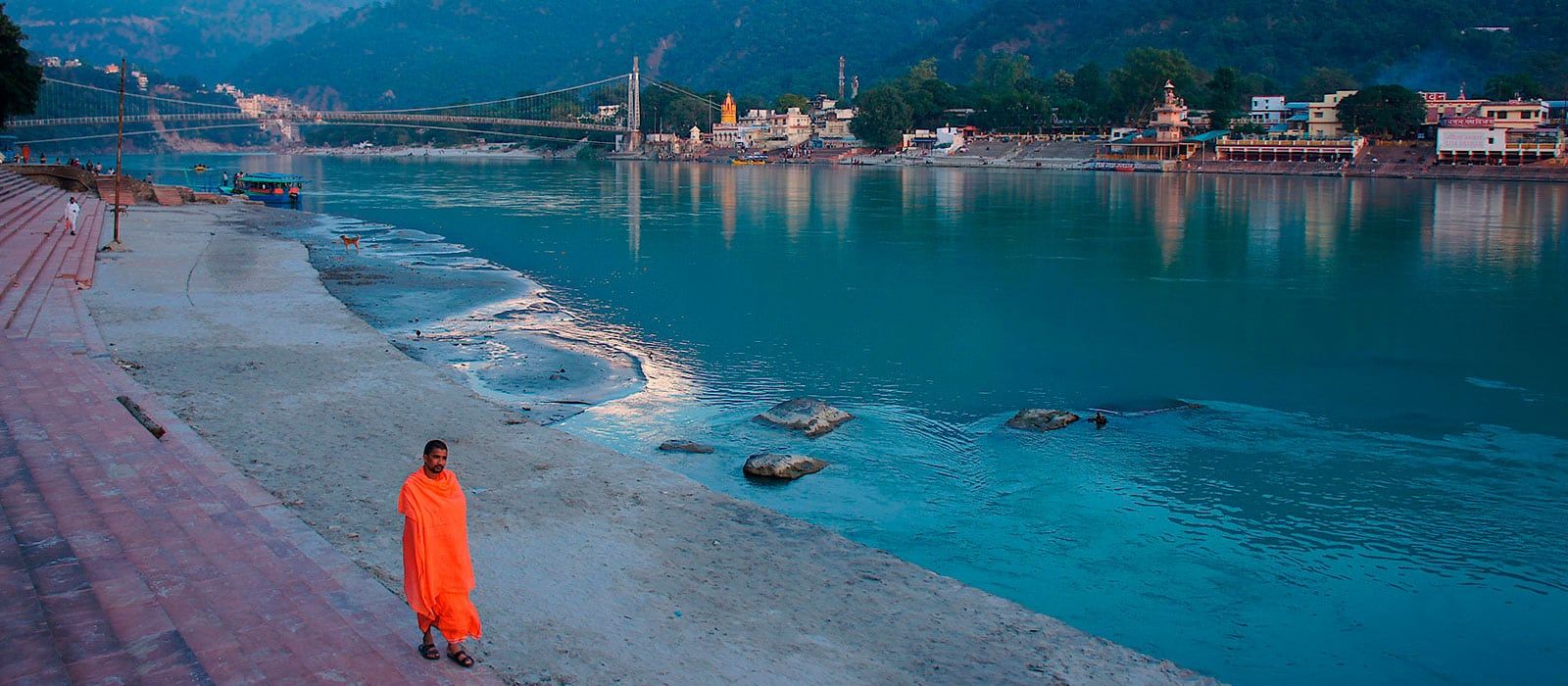
North India, the Himalayan foothills. A quiet Ayurvedic center within walking distance of the Ganga, where the school's panchakarma takes place.
The place
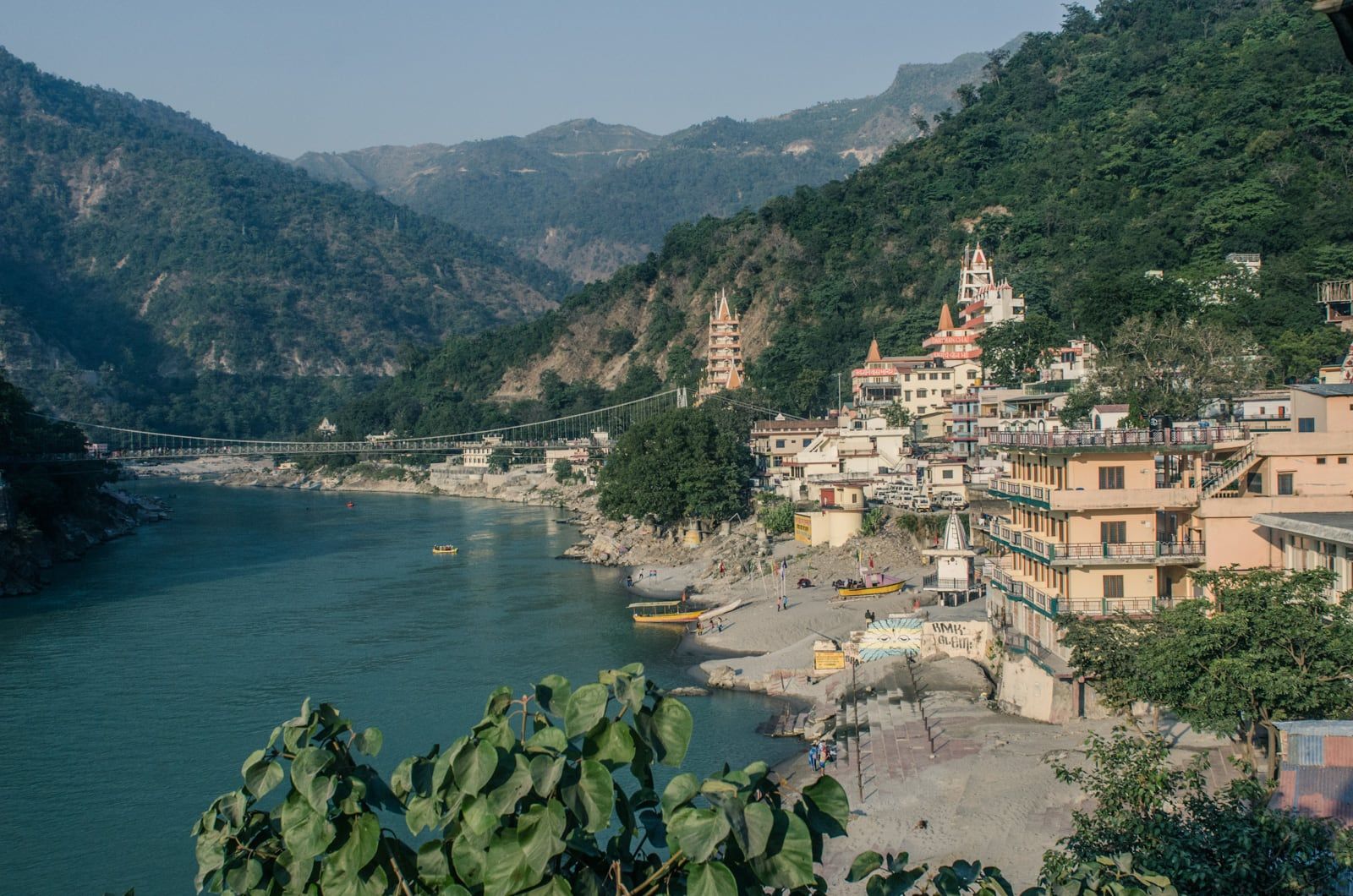
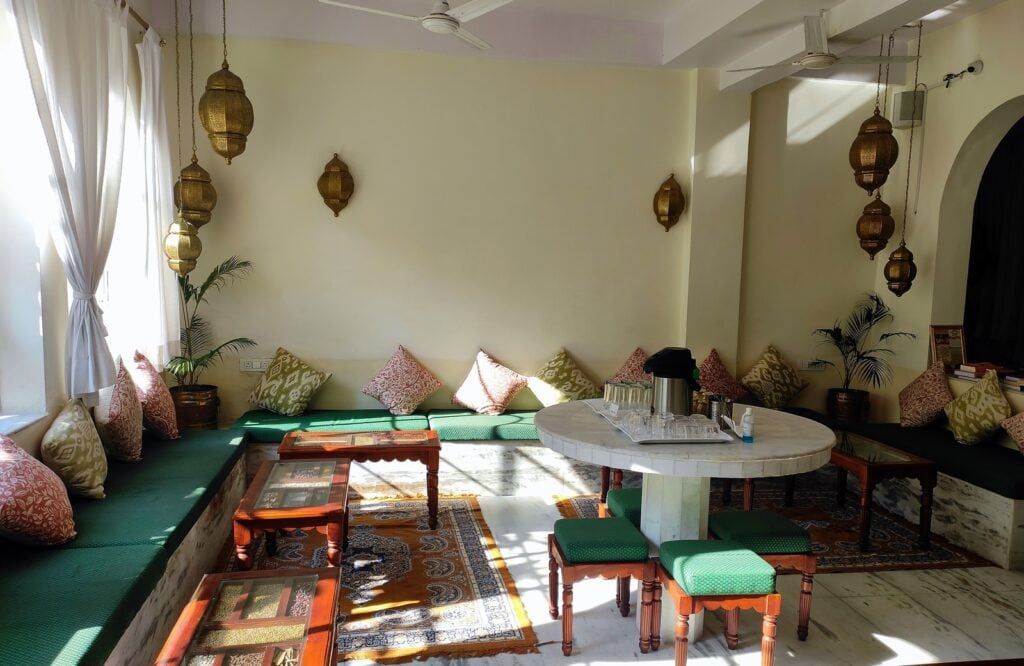
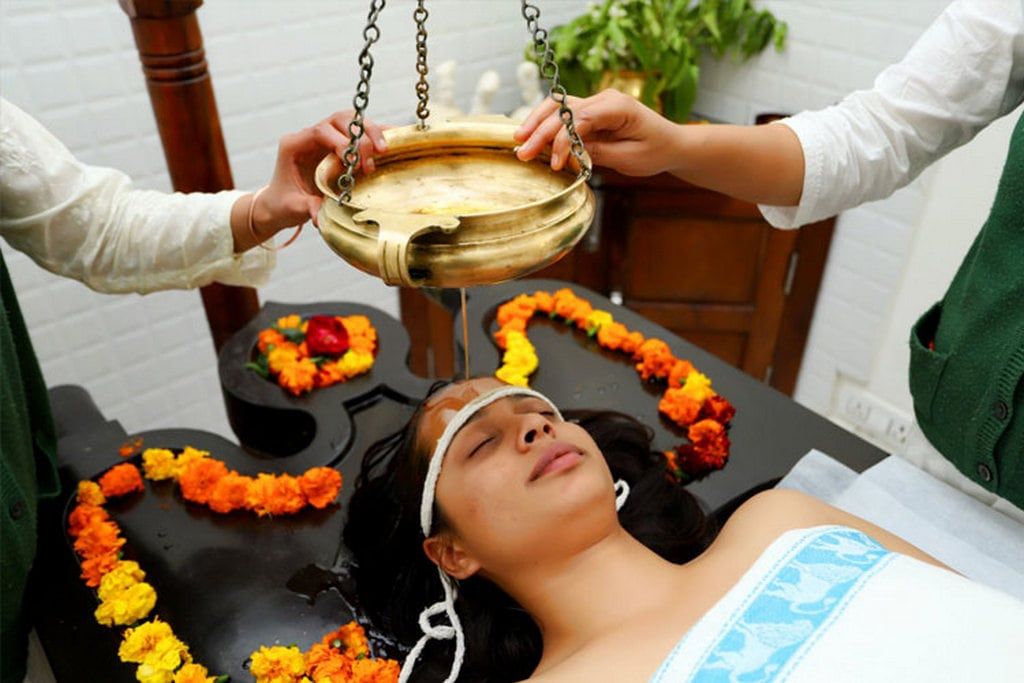
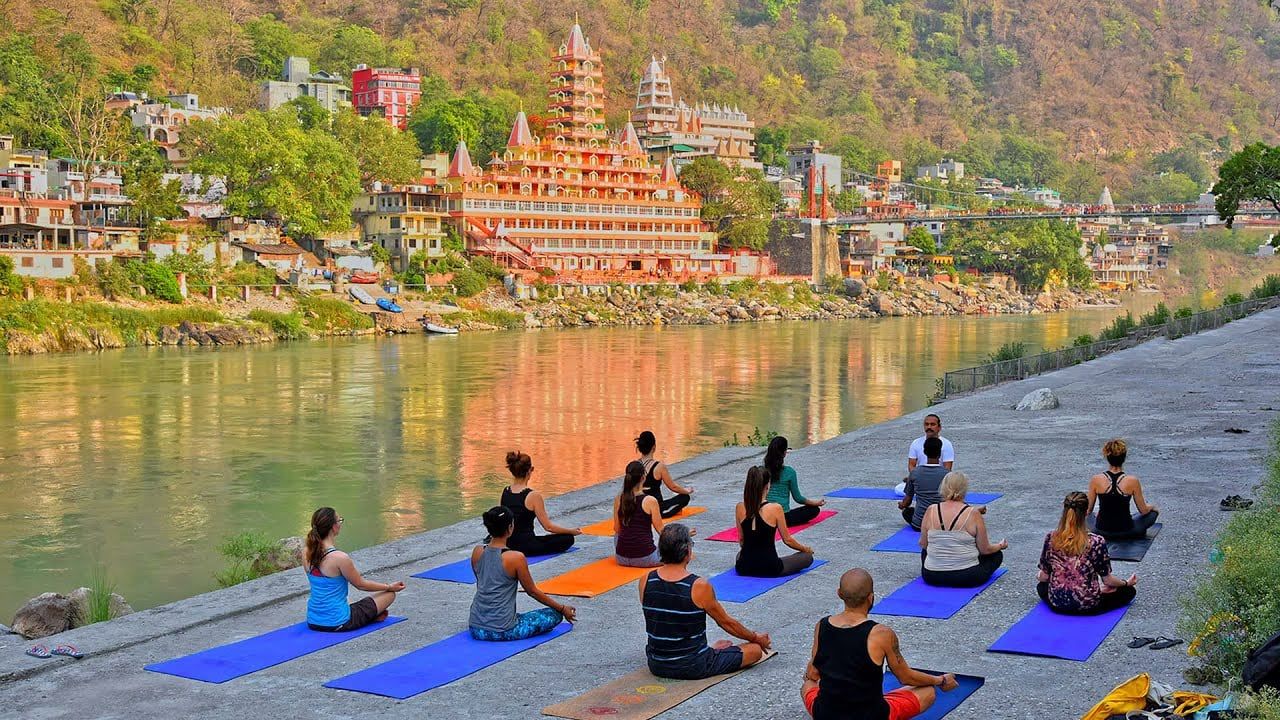
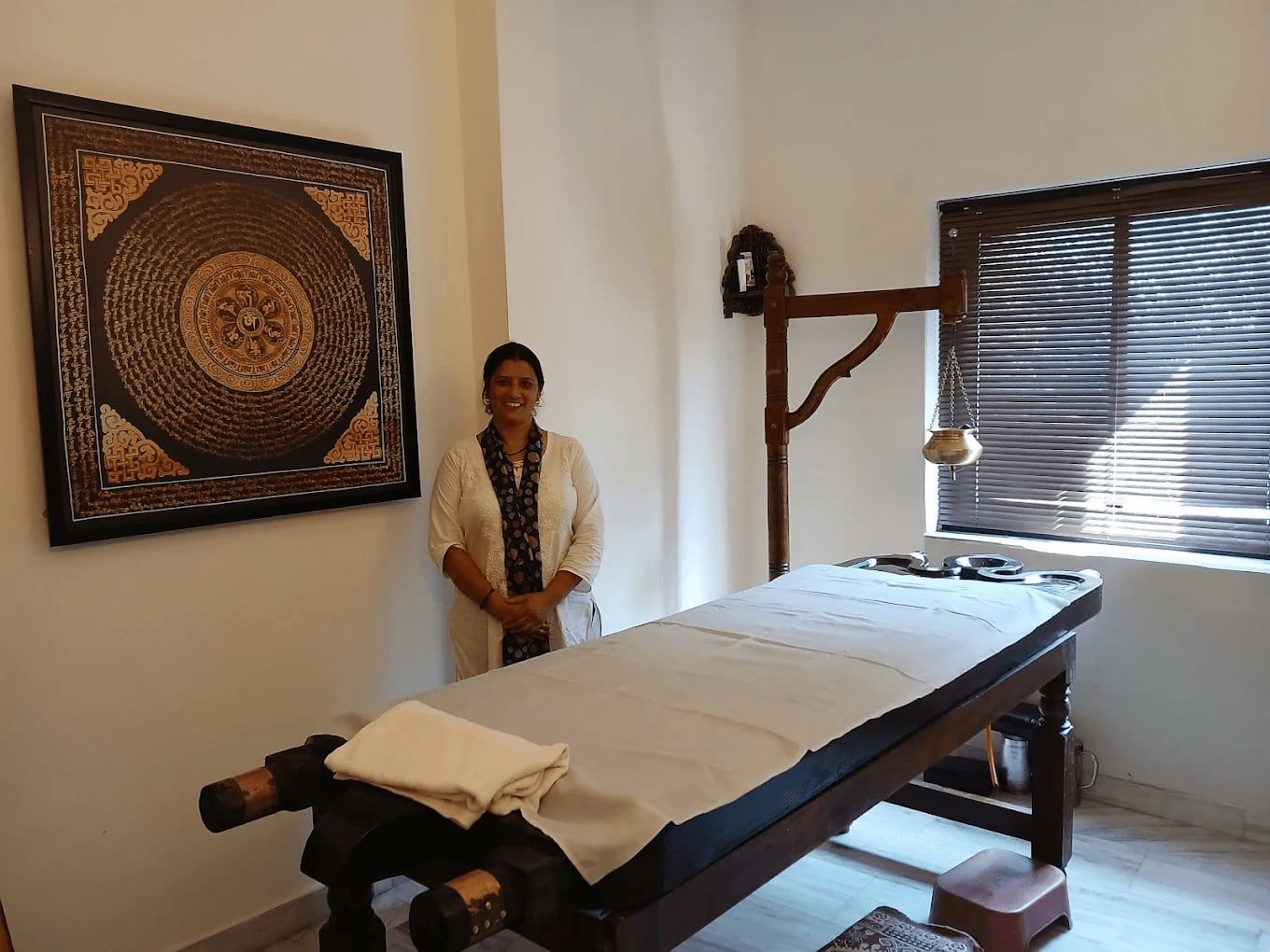
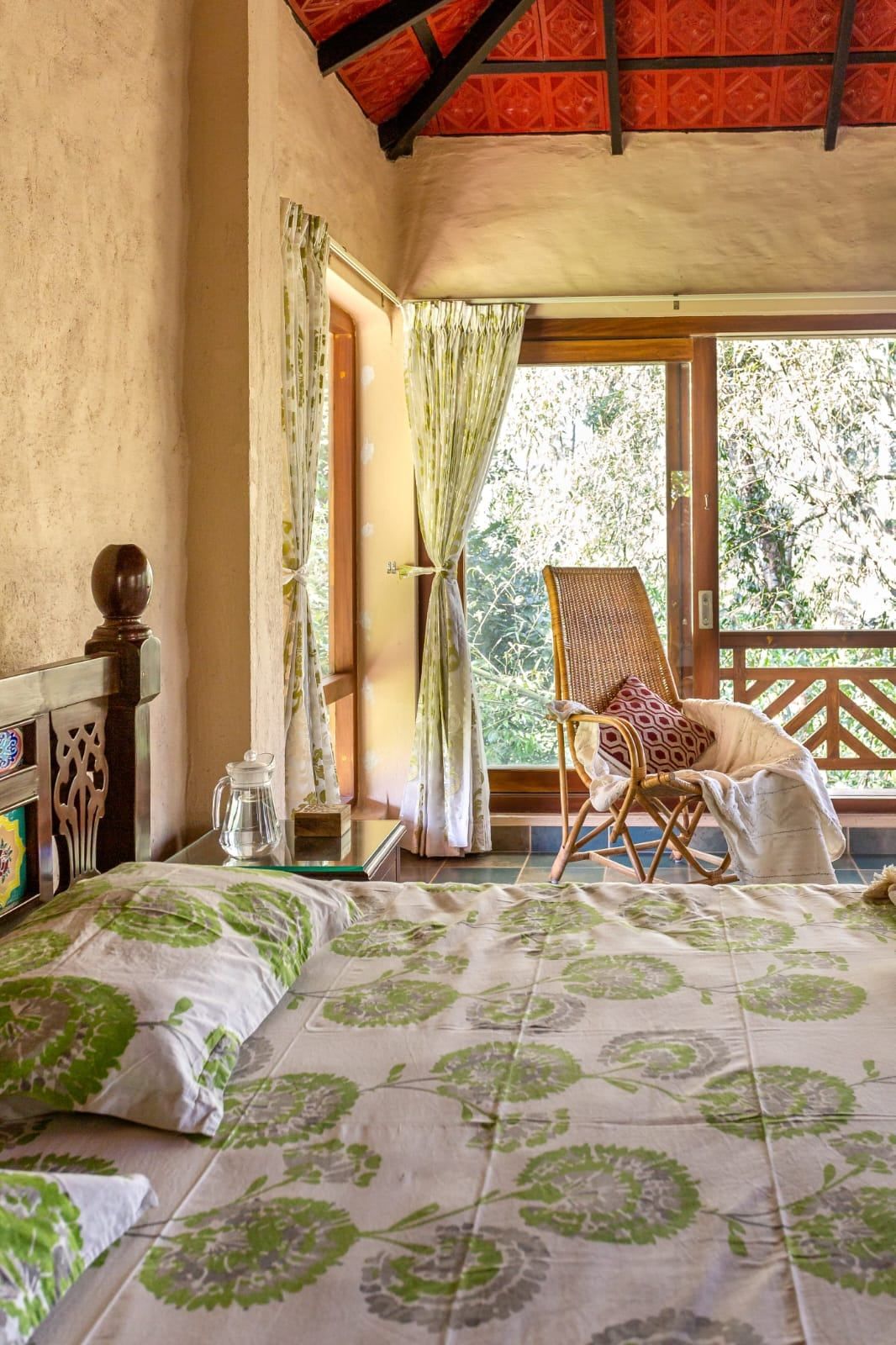
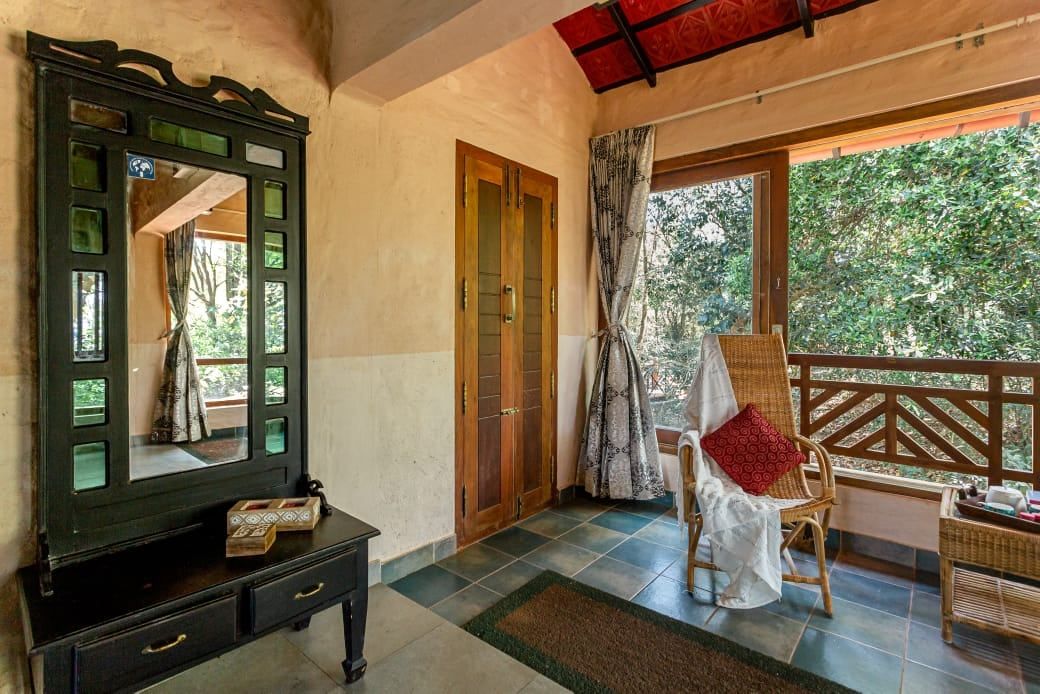
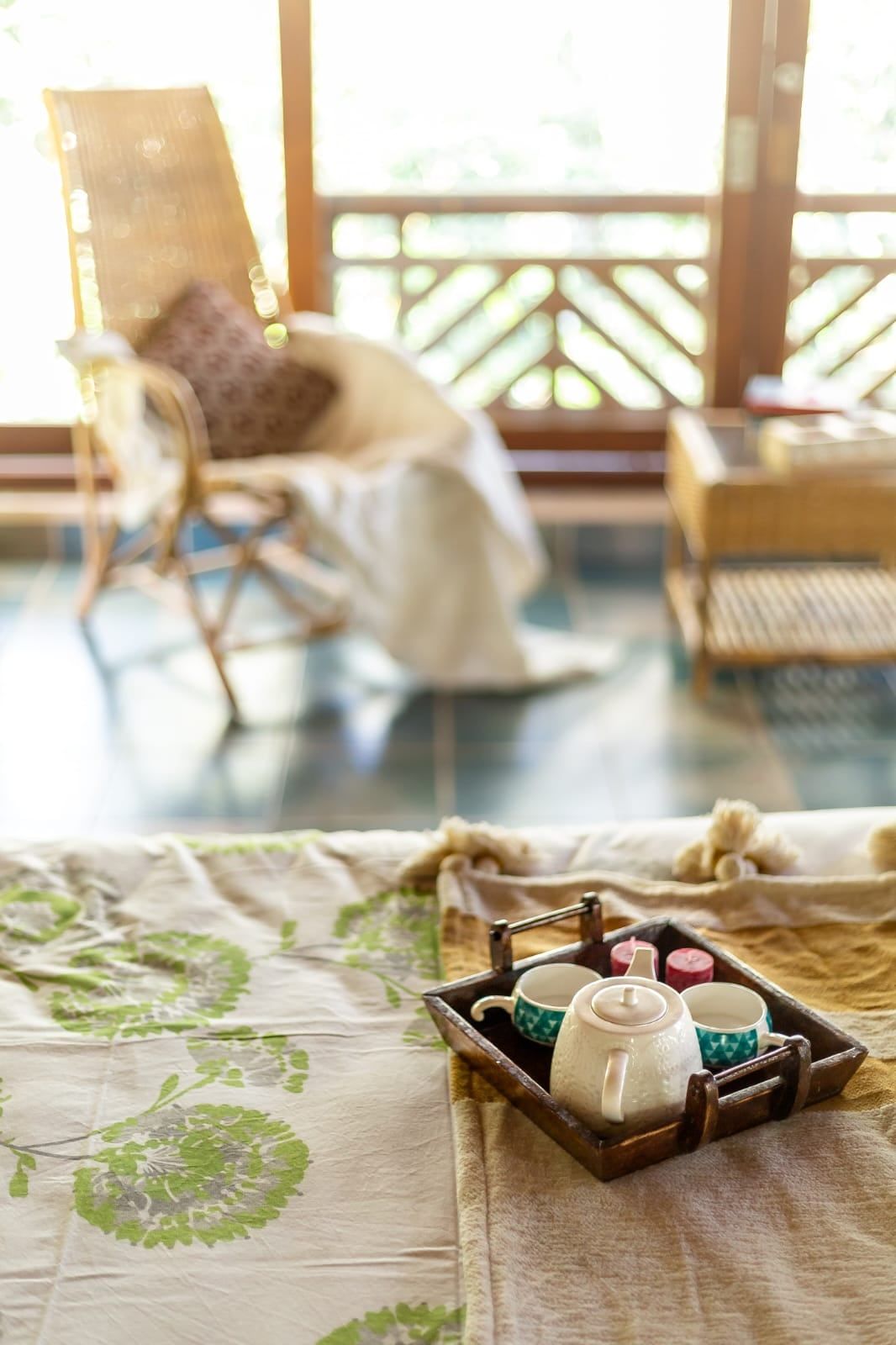
Rishikesh lies in the Himalayan foothills, in the state of Uttarakhand in North India, on the banks of the Ganga. The school’s panchakarma takes place at the Shanti Makaan Ayurvedic center. It sits in a quiet spot, within walking distance of the Ganga. From the upper terrace you look out over a mango orchard and Rajaji Tiger Reserve. See the center’s veranda, rooms and treatment room in the school gallery.
The quiet here matters for more than the view: during panchakarma the body rests best when everything around is calm and each day follows the same routine.
Length and price
Panchakarma in Rishikesh runs for 7, 14 or 21 days. We choose the length together with you, and the doctor prescribes the treatments after an examination.
- 7 days: $550. An introduction to panchakarma: preparation, oil treatments and gentle cleansing if the doctor considers it right for you.
- 14 days: $1000. A full cycle with one main procedure: preparation, cleansing and a gradual return.
- 21 days: $1400. The same cycle without rushing, with the return to normal life under the doctor’s supervision.
The price includes a room with a private bathroom, all vegetarian Ayurvedic meals, doctor’s consultations and prescribed treatments, daily yoga and meditation, Wi-Fi and laundry. Flights, visa, travel to Rishikesh, insurance and personal expenses are not included.
The price may vary with the season and your prescribed plan; we confirm the exact amount once we agree on dates. Full details of the program, daily routine and contraindications are on the Panchakarma in Rishikesh page.
Daily life
- Accommodation. Single and double rooms, each with a private bathroom with hot water.
- Meals. Vegetarian Ayurvedic food, all meals served in the center’s shared dining room.
- Practicalities. Wi-Fi throughout, laundry.
- Rhythm. Yoga in the morning, consultations and treatments during the day, meditation in the evening and a walk to the Ganga for the Ganga Aarti ceremony.
Long excursions and tiring trips are not recommended during the program: body and mind need rest. Walks by the river and around the center are exactly what’s needed.
How Rishikesh differs from Kerala
The program itself is the same: the doctor examines you, draws up a plan, and prescribes treatments and a diet. The treatments are familiar too: oil massage, shirodhara and many others come from the Kerala tradition and are now practiced all over India, Rishikesh included. The difference is the place, and it’s worth understanding before you choose.
- Climate. Kerala is humid tropics by the ocean, hot all year round. Rishikesh has real seasons: a hot summer, the rains, a dry warm autumn and a winter with cold nights.
- Setting. Instead of beach and ocean, you have the river, the mountains and the forest. Rishikesh is called the yoga capital of the world: ashrams line the banks of the Ganga, and the Ganga Aarti ceremony is held every evening.
- Travel. Rishikesh is reached via Delhi; Varkala via Trivandrum or Kochi.
If you want warmth and the ocean, choose Varkala. If mountains, a river and cooler air appeal more, choose Rishikesh, ideally in autumn, winter or spring.
When to go
- October to March. The most comfortable time: dry, with warm days. In December and January nights are cold, down to +5 °C, so bring warm clothes.
- April to June. Hot; in May and June daytime temperatures can exceed +40 °C.
- July to September. Monsoon season: damp, with occasional road disruptions in the mountains.
In Kerala, tradition holds that the best time for panchakarma is in fact the monsoon, the month of Karkidakam, from mid-July to mid-August: the humid coolness is believed locally to help the oils and heat treatments work. In Rishikesh, the most comfortable time is October to March.
Message us to check availability for your dates.
What to see nearby
The program isn’t about sightseeing, but quiet walks in your free hours fit right in. All of these are close by, with no tiring travel:
- Ganga Aarti. An evening ceremony on the riverbank: lights, chanting, small lamps floating on the water. The best known are held at Parmarth Niketan ashram and at Triveni Ghat.
- Riverbanks and bridges. The Ram Jhula suspension bridge, ashrams and temples on both banks, little streets selling books, herbs and fabrics.
- The Beatles Ashram. The abandoned ashram where The Beatles lived and wrote songs in 1968, now a place of murals open to visitors with a ticket.
- Rajaji Reserve. A forest home to elephants and tigers, beginning right outside town.
Local customs
Rishikesh is a holy city with its own customs. Meat and alcohol are not sold in town, and food in cafés is almost all vegetarian, which only helps during panchakarma.
- Temples and ashrams are entered barefoot, in clothing that covers shoulders and knees.
- It’s best to ask permission before photographing people and ceremonies.
- Take care if bathing in the Ganga: the current is fast and the water is cold even in summer. During the program, doctors usually advise against bathing.
Visa, money and staying connected
- Visa. Most nationalities can travel to India on an e-Visa, applied for online on the official Government of India website well before you buy tickets. We send step-by-step instructions.
- Money. International Visa and Mastercard cards work in India; it’s handy to carry some rupees in cash for small purchases. We agree how to pay for the program over the messenger.
- Connectivity. A local SIM card can be bought with your passport and visa. The center has Wi-Fi.
What to bring
- Warm layers for evenings and nights if you travel between November and February.
- Comfortable loose clothes you don’t mind staining: oil treatments leave marks.
- Clothing for temples, covering shoulders and knees.
- Any medicines you take regularly, and a list of your diagnoses for the doctor.
- Travel insurance valid in India.
What else to prepare before the trip, and what the weeks after the program look like, is covered in How to prepare for panchakarma and what comes after.
Getting there
The nearest airport is Dehradun (Jolly Grant), about 20 km from Rishikesh, served by domestic flights from Delhi. The nearest major railway station is Haridwar, about 25 km away. Delhi to Rishikesh is about 240 km, 5 to 7 hours by car.
Message us: we’ll agree on dates, send a detailed route to the center and help you plan the journey.
Getting there
Getting there
Rishikesh is reached via Delhi. We'll help you plan the journey to the center.
-
By air
Dehradun Airport (Jolly Grant), about 20 km from Rishikesh, with domestic flights from Delhi.
-
By train
The nearest major station is Haridwar, about 25 km away. Delhi to Rishikesh is about 240 km.
-
Taxi and transfer
We'll help you book a transfer from the airport or station to the center.
Once you message us, we will send you the route from the airport. Open in Google Maps
What happens here
Message us
We reply personally, tell you more and help you choose the program and dates. The message is pre-filled — just press Send.
We usually reply within a few hours.